
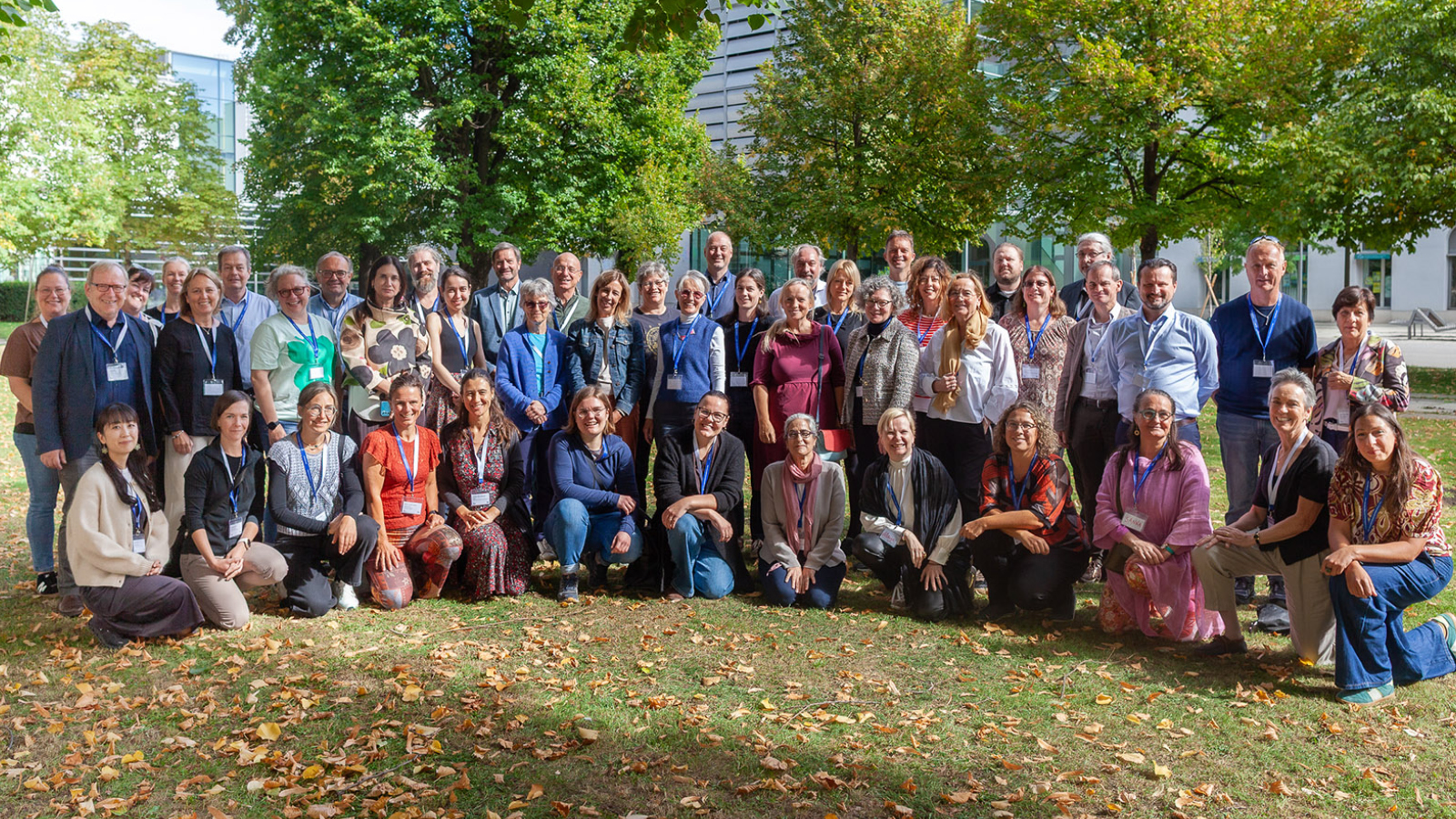
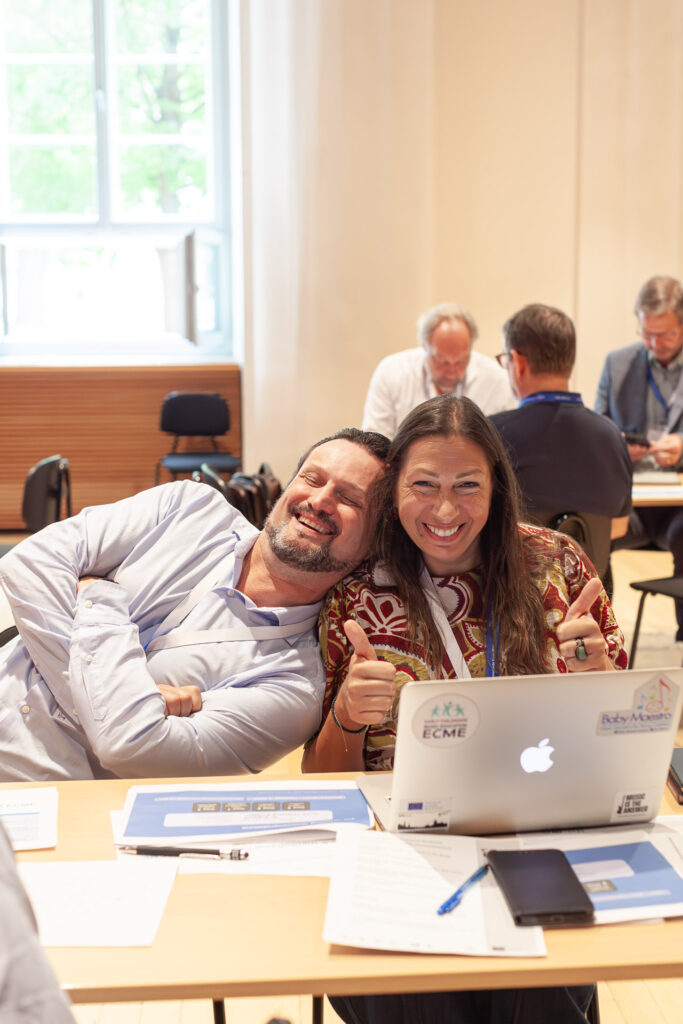
On Tuesday 22 and Wednesday 23 September, the University of Music and Performing Arts Vienna (mdw) hosted a workshop as part of the CC-ECME – Co-connecting Early Childhood Music Education project. More than 50 experts from across Europe took part, among them music and art educators, researchers, students, parents and stakeholders. Over the two days, participants swapped experiences, compared approaches to early childhood music education (ECME), and worked together on ways to strengthen the field across Europe. That range of perspectives turned out to be one of the workshop’s biggest assets — a chance to see how ECME is organised, understood and taught in different corners of Europe.
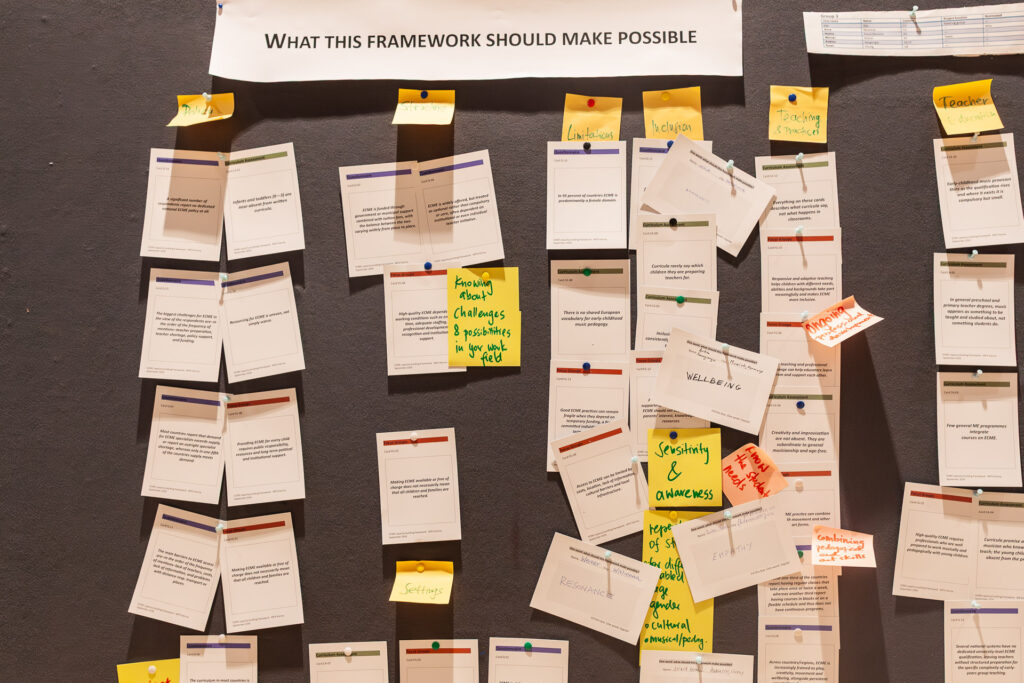
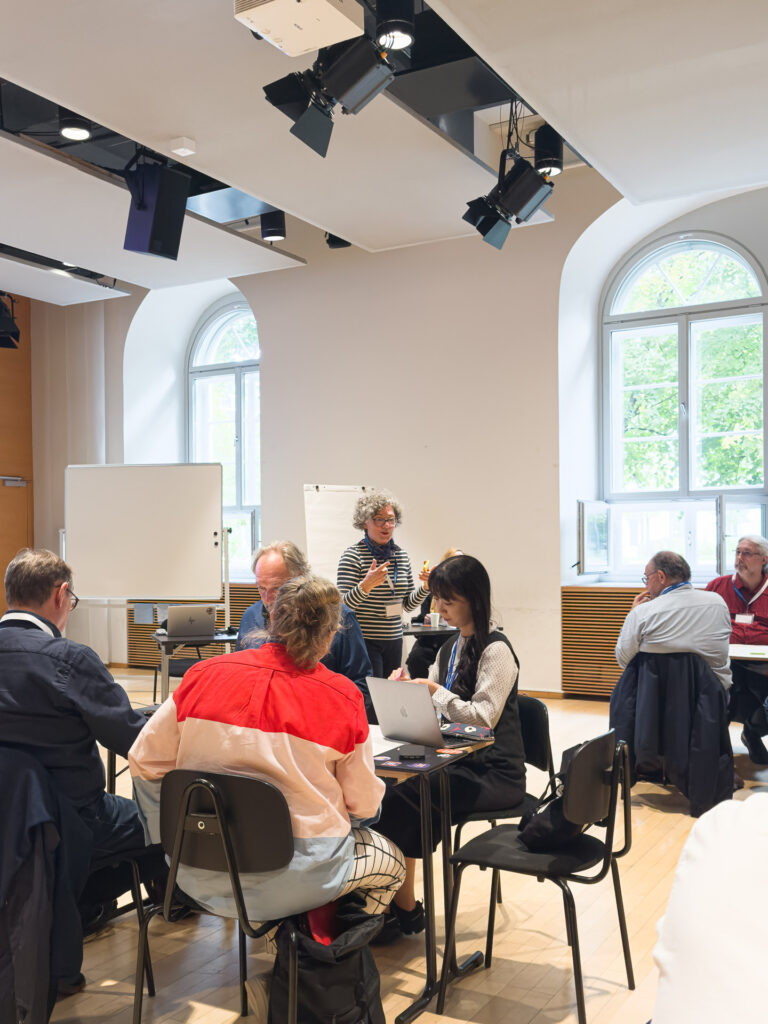
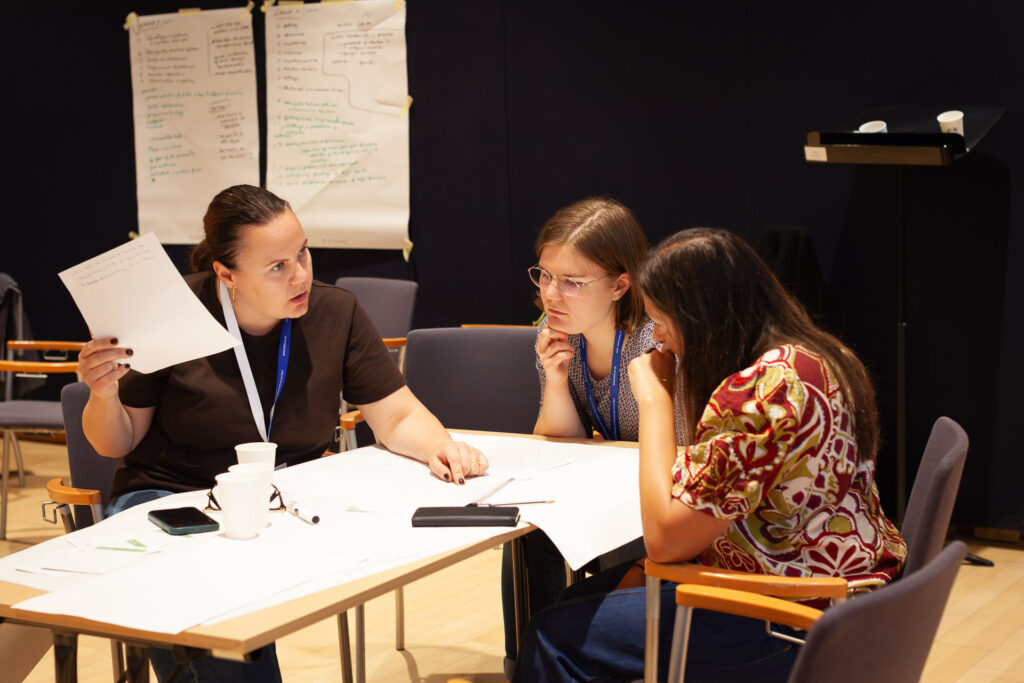
The programme ran as two parallel workshops, each tackling ECME from a different angle. The first was a participatory workshop on designing a modular seminar for early childhood music education, led by Luc Nijs (University of Luxembourg) and Michael Dartsch (Hochschule für Musik Saar). Participants brought their own expertise and experience to shaping a modular learning format for professionals in the field. Alongside it ran a stakeholder workshop on co-developing policy recommendations, led by Taru Koivisto and Heidi Westerlund (both University of the Arts Helsinki, Finland) and Margaret Barrett (Sir Zelman Cowen School of Music and Performance, Monash University, Australia). The two workshops had different focuses, but shared one conviction: that real progress in facilitating early childhood music education depends on dialogue and cooperation across professional, institutional and national lines.
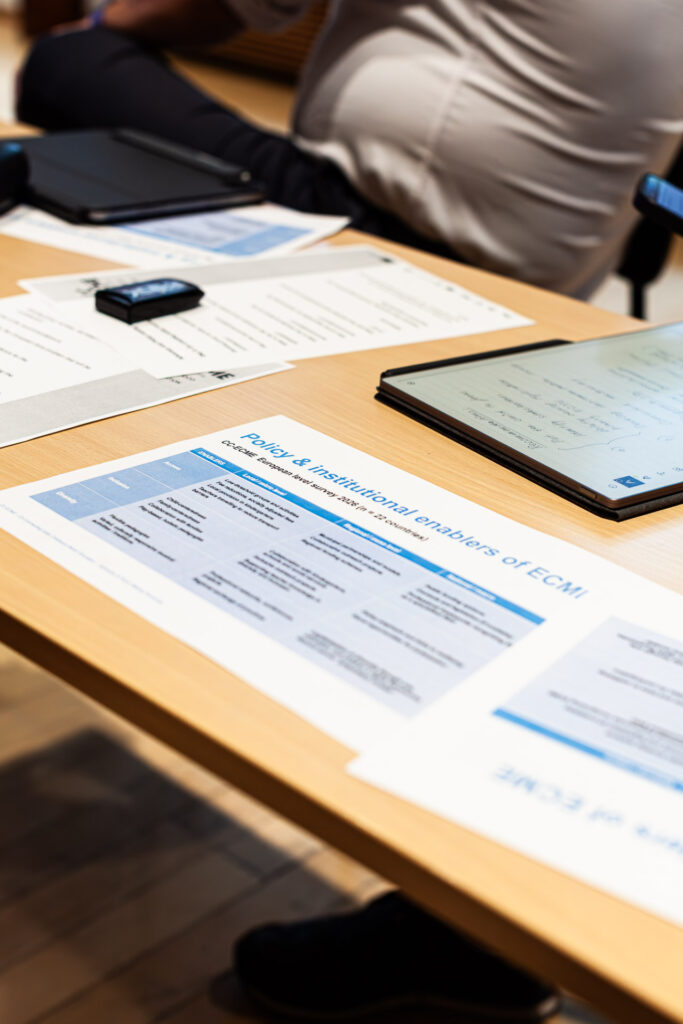
Both workshops drew on earlier research and the project’s mapping of ECME across Europe, which gave the discussions a broader base; pushing past individual practices toward a more systemic, cross-sectoral view. Early childhood music education looks different across Europe: structures, traditions, professional roles and educational frameworks all vary greatly. Bringing experts into one room made those differences visible, but it also surfaced shared challenges and shared opportunities. For many participants, this was the real value of the workshop — comparing approaches, questioning familiar practices, and picking up new perspectives from colleagues working in very different settings.
The two days in Vienna combined knowledge exchange with concrete collaborative work. Rather than just taking stock of where ECME stands today, participants helped shape tools, recommendations and connections that will carry its development forward. The workshop reflected CC-ECME’s broader goals: promoting collaborative teaching and learning, empowering music and art schools to connect, collaborate and drive change together, and strengthening the ECME network across Europe. By bringing together practitioners, educators, institutional leaders, researchers, students and parents, the Vienna workshop gave different perspectives room to meet and inform each other — leaving behind not just a useful exchange of knowledge, but a stronger sense of a shared European community working toward a more connected future for early childhood music education.
Links
Image Gallery











For more pictures or high res images please contact us.


